
+
 wechat number:TWJJMM0618

wechat number:TWJJMM0618
Becoming a leader in the plastic packaging container industry
Shaping the Future, Inclusive of Everything
ESOS Helpline
0512-52557888



You Are Here:Home > News Center
> Industry Dynamics
News navigation
Recommended news

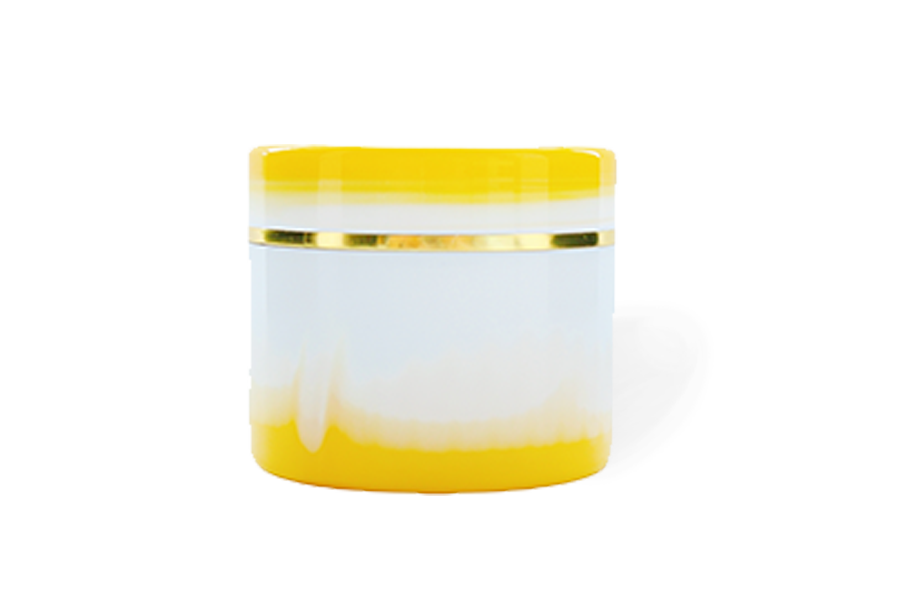
What is the injection molding process for PP cream cans
source:m.hnbxdq.com | Release time:2025-04-14
The injection molding process of PP cream can is a relatively complex process, mainly including the following key steps:
1. Raw material preparation: Select polypropylene (PP) plastic particles that meet food grade or cosmetic grade standards as raw materials. These particles should have good fluidity, thermal stability, and mechanical properties to ensure smooth molding during the injection molding process and meet the quality requirements of the cream can. According to the requirements of the product, some additives may also be added, such as plasticizers, stabilizers, color masterbatch, etc., to improve the performance of the material or give it a specific color.
2. Mold design and manufacturing: Design and manufacture specialized injection molds based on the shape, size, and structural characteristics of PP cream cans. A mold usually consists of two parts: a fixed mold and a moving mold, which form a cavity that is consistent with the shape of the cream can when the mold is closed. The accuracy and quality of the mold directly affect the molding quality and production efficiency of the cream can. Therefore, high-precision processing equipment and advanced manufacturing processes are needed to ensure the dimensional accuracy, surface smoothness, and demolding performance of the mold.
3. Injection molding machine debugging: Install the mold on the injection molding machine and debug it. Firstly, according to the size of the mold and the requirements of the injection molding process, adjust the parameters such as the clamping force and locking force of the injection molding machine to ensure that the mold can be tightly closed and prevent material overflow during the injection molding process. Then, based on the characteristics of PP material and the molding requirements of the cream can, set the process parameters of the injection molding machine, such as temperature, pressure, speed, etc., including the heating temperature of each section of the material barrel, injection pressure, holding pressure, cooling time, etc. The reasonable setting of these parameters is crucial for the forming quality of PP cream cans, and it is necessary to determine the optimal combination of process parameters through experimentation and adjustment.
4. Injection molding: Preheated PP plastic particles are added to the hopper of the injection molding machine, and the particles are heated to a molten state in the barrel. The screw of the injection molding machine pushes the molten plastic forward and injects it into the mold cavity through the nozzle. During the injection molding process, it is necessary to control the injection pressure and speed to ensure that the plastic can evenly fill the mold cavity and avoid defects such as material shortage, bubbles, and weld lines. After the mold cavity is filled, maintain a certain pressure (holding pressure) to compensate for the volume change of the plastic during cooling shrinkage and prevent product shrinkage marks.
5. Cooling and shaping: After injection molding is completed, the molten plastic inside the mold needs to be cooled and shaped through a cooling system. Usually, circulating water or other cooling media are used to flow through the cooling channels of the mold, taking away the heat emitted by the plastic and allowing it to quickly cool and solidify. The length of cooling time directly affects the production efficiency and quality of the product. If the cooling time is too short, the product may experience deformation, dimensional instability, and other problems due to insufficient cooling; If the cooling time is too long, it will reduce production efficiency. Therefore, it is necessary to control the cooling time reasonably based on factors such as the thickness, shape, and material characteristics of the product to ensure that the product can achieve good shaping effect in the shortest possible time.
6. Demoulding and removal: After the product cools and solidifies, the moving part of the injection molding machine moves backwards to open the mold. At this point, the ejector mechanism installed in the mold will eject the formed PP cream jar from the mold cavity, causing it to detach from the mold. The ejection process needs to be smooth and uniform to avoid damage to the product. The extracted cream jar has undergone preliminary inspection, and if there are defects such as burrs or burrs, it needs to be repaired.
7. Quality inspection: Conduct quality inspection on the formed PP cream can, including appearance inspection (such as surface smoothness, color uniformity, presence of bubbles, scratches, etc.), dimensional accuracy measurement (such as can body diameter, height, wall thickness, etc.), sealing test (checking whether the can cover is tightly matched with the can body and whether there is leakage), and physical performance testing (such as strength, toughness, etc.). Only products that have passed the inspection can enter the next process or be directly packaged and stored.
8. Post processing: Depending on the needs of the product, PP cream cans may also undergo some post-processing processes, such as surface printing, hot stamping, labeling, etc., to increase the product's aesthetics and market competitiveness. In addition, for some cream cans that require special properties, coating, coating and other treatments may be carried out to improve their barrier properties, wear resistance or other properties
1. Raw material preparation: Select polypropylene (PP) plastic particles that meet food grade or cosmetic grade standards as raw materials. These particles should have good fluidity, thermal stability, and mechanical properties to ensure smooth molding during the injection molding process and meet the quality requirements of the cream can. According to the requirements of the product, some additives may also be added, such as plasticizers, stabilizers, color masterbatch, etc., to improve the performance of the material or give it a specific color.
2. Mold design and manufacturing: Design and manufacture specialized injection molds based on the shape, size, and structural characteristics of PP cream cans. A mold usually consists of two parts: a fixed mold and a moving mold, which form a cavity that is consistent with the shape of the cream can when the mold is closed. The accuracy and quality of the mold directly affect the molding quality and production efficiency of the cream can. Therefore, high-precision processing equipment and advanced manufacturing processes are needed to ensure the dimensional accuracy, surface smoothness, and demolding performance of the mold.
3. Injection molding machine debugging: Install the mold on the injection molding machine and debug it. Firstly, according to the size of the mold and the requirements of the injection molding process, adjust the parameters such as the clamping force and locking force of the injection molding machine to ensure that the mold can be tightly closed and prevent material overflow during the injection molding process. Then, based on the characteristics of PP material and the molding requirements of the cream can, set the process parameters of the injection molding machine, such as temperature, pressure, speed, etc., including the heating temperature of each section of the material barrel, injection pressure, holding pressure, cooling time, etc. The reasonable setting of these parameters is crucial for the forming quality of PP cream cans, and it is necessary to determine the optimal combination of process parameters through experimentation and adjustment.
4. Injection molding: Preheated PP plastic particles are added to the hopper of the injection molding machine, and the particles are heated to a molten state in the barrel. The screw of the injection molding machine pushes the molten plastic forward and injects it into the mold cavity through the nozzle. During the injection molding process, it is necessary to control the injection pressure and speed to ensure that the plastic can evenly fill the mold cavity and avoid defects such as material shortage, bubbles, and weld lines. After the mold cavity is filled, maintain a certain pressure (holding pressure) to compensate for the volume change of the plastic during cooling shrinkage and prevent product shrinkage marks.
5. Cooling and shaping: After injection molding is completed, the molten plastic inside the mold needs to be cooled and shaped through a cooling system. Usually, circulating water or other cooling media are used to flow through the cooling channels of the mold, taking away the heat emitted by the plastic and allowing it to quickly cool and solidify. The length of cooling time directly affects the production efficiency and quality of the product. If the cooling time is too short, the product may experience deformation, dimensional instability, and other problems due to insufficient cooling; If the cooling time is too long, it will reduce production efficiency. Therefore, it is necessary to control the cooling time reasonably based on factors such as the thickness, shape, and material characteristics of the product to ensure that the product can achieve good shaping effect in the shortest possible time.
6. Demoulding and removal: After the product cools and solidifies, the moving part of the injection molding machine moves backwards to open the mold. At this point, the ejector mechanism installed in the mold will eject the formed PP cream jar from the mold cavity, causing it to detach from the mold. The ejection process needs to be smooth and uniform to avoid damage to the product. The extracted cream jar has undergone preliminary inspection, and if there are defects such as burrs or burrs, it needs to be repaired.
7. Quality inspection: Conduct quality inspection on the formed PP cream can, including appearance inspection (such as surface smoothness, color uniformity, presence of bubbles, scratches, etc.), dimensional accuracy measurement (such as can body diameter, height, wall thickness, etc.), sealing test (checking whether the can cover is tightly matched with the can body and whether there is leakage), and physical performance testing (such as strength, toughness, etc.). Only products that have passed the inspection can enter the next process or be directly packaged and stored.
8. Post processing: Depending on the needs of the product, PP cream cans may also undergo some post-processing processes, such as surface printing, hot stamping, labeling, etc., to increase the product's aesthetics and market competitiveness. In addition, for some cream cans that require special properties, coating, coating and other treatments may be carried out to improve their barrier properties, wear resistance or other properties
Previous:
In which industries are PE plastic bottles used m…
Next:
What are the precautions for using PET plastic bo…
【Related articles】
【Related Products】

- CHANGSHU SHINE PLASTIC INDUSTRY CO.,LTD Phone:0512-52557888 Mailbox:shenshisuye@163.com Company address:No. 20 Guangyuan Road, South Development Zone, Zhitang Town, Changshu City, Jiangsu Province
-
 Scan your phone
 home
home
 WeChat
 telephone